645 Japanese Names That Start With A For Boys, Girls and Gender Neutral Child
Japanese names that start with A carry a distinct energy. The vowel sound opens cleanly, making these names feel approachable, lyrical, and strong all at once. From the hopeful brightness of Asahi to the quiet depth of Azumi, A-initial names span the full range of Japanese naming tradition.
Parents drawn to Japanese culture often gravitate toward these names for their melodic flow and rich kanji meanings. Each character written behind an A-name can shift its meaning entirely, from love and light to sky and autumn, giving families a deeply personal way to shape a name’s identity.
Top 10 Japanese Names Starting With A — Quick Picks
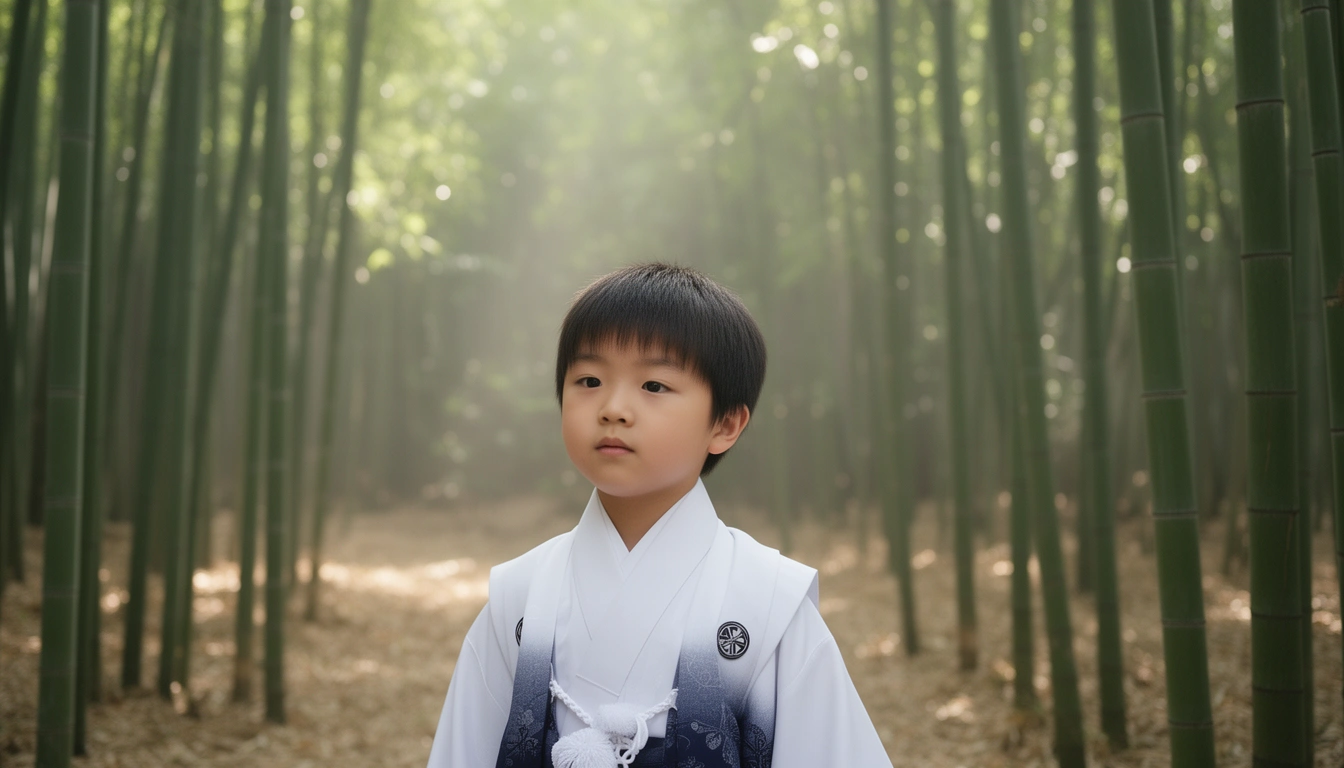
Japanese Boy Names That Start With A
Japanese boy names starting with A are bold, culturally rooted, and carry meanings tied to strength, clarity, and nature. These are among the most widely given male names across Japan, many with roots in classical literature, Buddhist tradition, and samurai-era records.
Boy names that open with the A vowel carry a clean strength in Japanese phonology. Many of these names feature kanji for brightness, justice, autumn, and sky, values long prized in Japanese masculine naming tradition. Regional variations also exist: Kyoto families historically preferred longer, classical forms, while Tokyo parents today favor shorter, punchy two-character names.
- Akihiro — 明宏 — Bright and Wide (Ah-kee-hee-roh)
- Atsushi — 篤志 — Sincere, Devoted (Ah-tsoo-shee)
- Arata — 新 — Fresh, New (Ah-rah-tah)
- Asahi — 朝日 — Morning Sun (Ah-sah-hee)
- Akito — 彰人 — Shining Person (Ah-kee-toh)
- Akira — 明 — Bright, Clear (Ah-kee-rah)
- Ayato — 綾翔 — Graceful Flight (Ah-yah-toh)
- Akinori — 昭徳 — Bright Virtue (Ah-kee-noh-ree)
- Akiyoshi — 昭義 — Bright Justice (Ah-kee-yoh-shee)
- Aoto — 蒼翔 — Blue Flight (Ah-oh-toh)
- Amane — 天音 — Heavenly Sound (Ah-mah-neh)
- Aran — 亜嵐 — Asian Storm (Ah-rahn)
- Asuma — 飛真 — Flying Truth (Ah-soo-mah)
- Aritomo — 有朋 — Friend of Harmony (Ah-ree-toh-moh)
- Akiomi — 明臣 — Bright Minister (Ah-kee-oh-mee)
- Azuma — 東 — East (Ah-zoo-mah)
- Akimasa — 昭政 — Bright Justice (Ah-kee-mah-sah)
- Akinobu — 昭信 — Bright Faith (Ah-kee-noh-boo)
- Arinobu — 有信 — One With Trust (Ah-ree-noh-boo)
- Atsuto — 篤人 — Devoted Person (Ah-tsoo-toh)
- Akikazu — 秋和 — Harmonious Autumn (Ah-kee-kah-zoo)
- Akino — 秋野 — Autumn Field (Ah-kee-noh)
- Akisei — 明星 — Bright Star (Ah-kee-say)
- Amano — 天野 — Field of Heaven (Ah-mah-noh)
- Akisada — 秋定 — Autumn Steadiness (Ah-kee-sah-dah)
- Akifumi — 明文 — Bright Writing (Ah-kee-foo-mee)
- Akihisa — 明久 — Bright Endurance (Ah-kee-hee-sah)
- Akikatsu — 昭勝 — Brilliant Victory (Ah-kee-kah-tsoo)
- Atsunori — 篤則 — Sincere Rules (Ah-tsoo-noh-ree)
- Atsuki — 篤樹 — Devoted Tree (Ah-tsoo-kee)
- Atsuya — 篤哉 — Sincere One (Ah-tsoo-yah)
- Akifusa — 明房 — Bright Dwelling (Ah-kee-foo-sah)
- Akimune — 明宗 — Bright Lineage (Ah-kee-moo-neh)
- Akitomo — 明友 — Bright Friend (Ah-kee-toh-moh)
- Akitatsu — 明達 — Bright Achievement (Ah-kee-tah-tsoo)
- Akitane — 明胤 — Bright Descendant (Ah-kee-tah-neh)
- Akio — 明雄 — Bright Hero (Ah-kee-oh)
- Akisuke — 昭助 — Bright Helper (Ah-kee-soo-keh)
- Akishige — 明重 — Bright Weight (Ah-kee-shee-geh)
- Atsumichi — 篤道 — Sincere Path (Ah-tsoo-mee-chee)
- Atsunaga — 篤永 — Devoted Forever (Ah-tsoo-nah-gah)
- Atsumasa — 篤正 — Sincere Correctness (Ah-tsoo-mah-sah)
- Arihito — 有仁 — Possessing Benevolence (Ah-ree-hee-toh)
- Arinaga — 有長 — Lasting Virtue (Ah-ree-nah-gah)
- Arimichi — 有道 — Path of Truth (Ah-ree-mee-chee)
- Ariyoshi — 有義 — Righteous Being (Ah-ree-yoh-shee)
- Arifumi — 有文 — One With Writing (Ah-ree-foo-mee)
- Ariaki — 有明 — Clear Presence (Ah-ree-ah-kee)
- Aritsune — 有恒 — Constant Virtue (Ah-ree-tsoo-neh)
- Akimoto — 明基 — Bright Foundation (Ah-kee-moh-toh)
- Akitatsu — 秋龍 — Autumn Dragon (Ah-kee-tah-tsoo)
- Akiharu — 明春 — Bright Spring (Ah-kee-hah-roo)
- Akitaka — 明孝 — Bright Filial Piety (Ah-kee-tah-kah)
- Akifusa — 昭房 — Luminous Dwelling (Ah-kee-foo-sah)
- Akishiro — 明城 — Bright Castle (Ah-kee-shee-roh)
- Akitsugu — 昭継 — Bright Successor (Ah-kee-tsoo-goo)
- Akinari — 秋成 — Autumn Becoming (Ah-kee-nah-ree)
- Akisato — 明里 — Bright Village (Ah-kee-sah-toh)
- Akiyori — 昭頼 — Bright Reliance (Ah-kee-yoh-ree)
- Atsuhiro — 篤宏 — Devoted and Wide (Ah-tsoo-hee-roh)
- Atsunobu — 篤信 — Devoted Faith (Ah-tsoo-noh-boo)
- Atsuyuki — 篤幸 — Devoted Happiness (Ah-tsoo-yoo-kee)
- Amaki — 天樹 — Tree of Heaven (Ah-mah-kee)
- Amato — 天翔 — Heaven’s Flight (Ah-mah-toh)
- Amahiko — 天彦 — Celestial Prince (Ah-mah-hee-koh)
- Amasaki — 天咲 — Blooming Heaven (Ah-mah-sah-kee)
- Amamichi — 天道 — Path of Heaven (Ah-mah-mee-chee)
- Amaharu — 天春 — Heavenly Spring (Ah-mah-hah-roo)
- Azumane — 東音 — Eastern Sound (Ah-zoo-mah-neh)
- Azumaro — 東丸 — Eastern Circle (Ah-zoo-mah-roh)
- Azumitsu — 東光 — Eastern Light (Ah-zoo-mee-tsoo)
- Ayumu — 歩夢 — Walking Dream (Ah-yoo-moo)
- Ayumi — 歩実 — Walk Toward Truth (Ah-yoo-mee)
- Ayuhiko — 歩彦 — Walking Prince (Ah-yoo-hee-koh)
- Ayunari — 歩成 — Becoming Through Steps (Ah-yoo-nah-ree)
- Aoiki — 蒼生 — Blue Life (Ah-oh-ee-kee)
- Aosaka — 蒼坂 — Blue Slope (Ah-oh-sah-kah)
- Aokata — 蒼形 — Blue Form (Ah-oh-kah-tah)
- Aokage — 蒼影 — Blue Shadow (Ah-oh-kah-geh)
- Aotsuki — 蒼月 — Blue Moon (Ah-oh-tsoo-kee)
- Aoumi — 蒼海 — Blue Sea (Ah-oh-oo-mee)
- Aoki — 青木 — Green Tree (Ah-oh-kee)
- Aosora — 蒼空 — Blue Sky (Ah-oh-soh-rah)
- Arashi — 嵐 — Storm (Ah-rah-shee)
- Arashiro — 嵐城 — Storm Castle (Ah-rah-shee-roh)
- Arasuke — 嵐助 — Storm Helper (Ah-rah-soo-keh)
- Arashiki — 嵐木 — Storm Tree (Ah-rah-shee-kee)
- Atesuga — 当次 — Proper Succession (Ah-teh-soo-gah)
- Ateno — 当乃 — Proper One (Ah-teh-noh)
- Atehiko — 当彦 — Proper Prince (Ah-teh-hee-koh)
- Ateriya — 当也 — True One (Ah-teh-ree-yah)
- Atsunao — 篤直 — Sincere and Upright (Ah-tsoo-nah-oh)
- Atsusada — 篤定 — Devoted Stability (Ah-tsoo-sah-dah)
- Atsutomo — 篤友 — Devoted Friend (Ah-tsoo-toh-moh)
- Atsutaka — 篤孝 — Sincere Filial Piety (Ah-tsoo-tah-kah)
- Atsuyoshi — 篤好 — Devoted Goodness (Ah-tsoo-yoh-shee)
- Atsufumi — 篤文 — Sincere Writing (Ah-tsoo-foo-mee)
- Atsumaro — 篤麻呂 — Sincere Classic (Ah-tsoo-mah-roh)
- Atsunaga — 篤長 — Devoted Growth (Ah-tsoo-nah-gah)
- Atsutoshi — 篤俊 — Devoted Excellence (Ah-tsoo-toh-shee)
- Atsukaze — 篤風 — Devoted Wind (Ah-tsoo-kah-zeh)
- Atsuyori — 篤頼 — Devoted Reliance (Ah-tsoo-yoh-ree)
- Atsuhei — 篤平 — Sincere Peace (Ah-tsoo-hay)
- Atsuharu — 篤春 — Devoted Spring (Ah-tsoo-hah-roo)
- Atsuomi — 篤臣 — Sincere Vassal (Ah-tsoo-oh-mee)
- Atsuzen — 篤善 — Devoted Goodness (Ah-tsoo-zehn)
- Atsuryu — 篤龍 — Devoted Dragon (Ah-tsoo-ryoo)
- Atsuhana — 篤花 — Devoted Blossom (Ah-tsoo-hah-nah)
- Atsukuni — 篤国 — Devoted Nation (Ah-tsoo-koo-nee)
Japanese boy names starting with A frequently draw from the kanji 明 (bright), 篤 (devoted), 秋 (autumn), and 天 (heaven). These characters appear repeatedly because they reflect the virtues most prized in Japanese male naming: clarity of purpose, loyalty, seasonal harmony, and a connection to something greater than oneself.
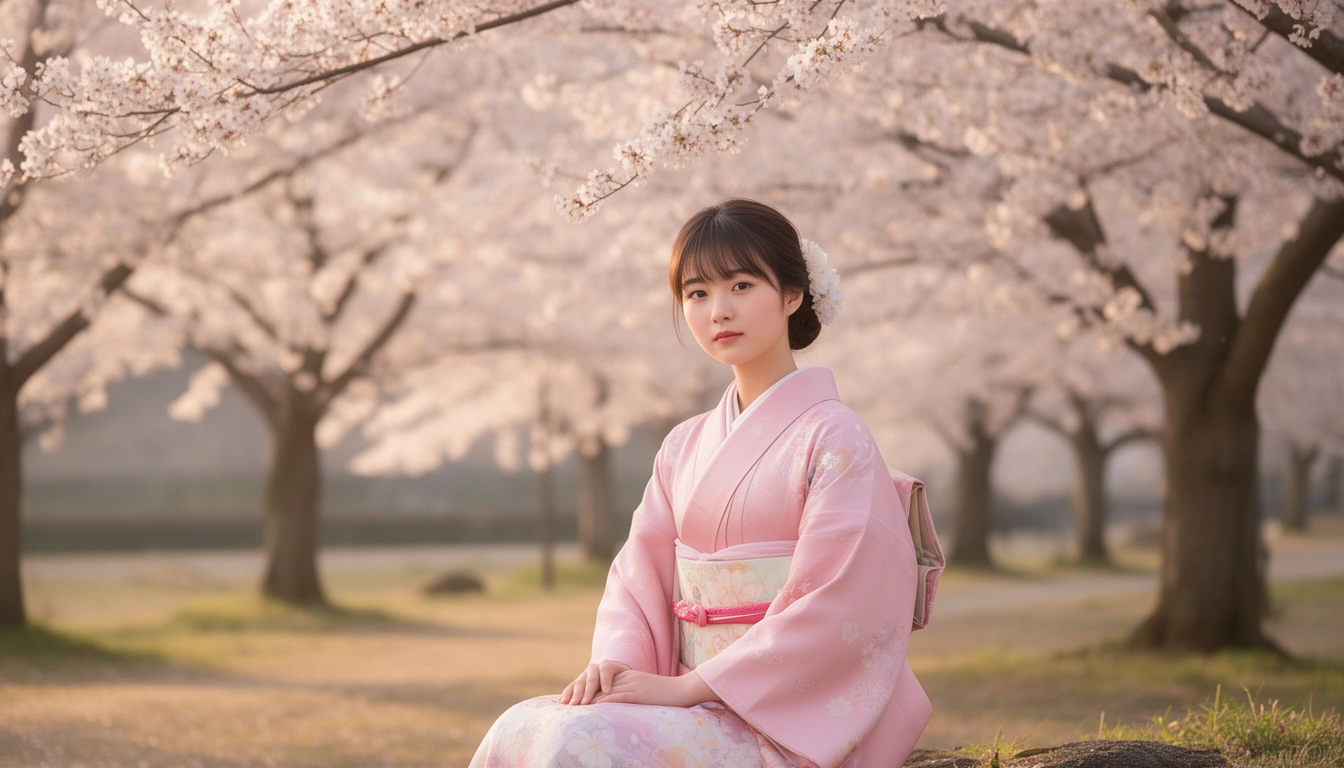
Japanese Girl Names That Start With A
Japanese girl names starting with A are among the most poetic in the language, combining floral imagery, light, love, and natural beauty into names that feel both traditional and timeless. These names dominate naming charts across Japan year after year.
Many of these names carry the kanji 愛 (love), 明 (bright), 彩 (color), and 花 (flower). Japanese girl names also frequently end in the suffix -ko (child) or -mi (beauty), creating a soft, feminine rhythm that has stayed consistent across generations. Names from this list appear in Japanese names that mean flower and Japanese names that mean love for deeper meaning exploration.
- Aiko — 愛子 — Child of Love (Ah-ee-koh)
- Akari — 明莉 — Bright Jasmine (Ah-kah-ree)
- Asuka — 明日香 — Fragrance of Tomorrow (Ah-soo-kah)
- Ayaka — 彩花 — Colorful Flower (Ah-yah-kah)
- Ami — 亜美 — Second Beauty (Ah-mee)
- Anzu — 杏 — Apricot (Ahn-zoo)
- Airi — 愛莉 — Lovely Jasmine (Ah-ee-ree)
- Aina — 愛菜 — Love and Harmony (Ah-ee-nah)
- Azusa — 梓 — Cherry Birch Tree (Ah-zoo-sah)
- Arisa — 有紗 — Plenty of Silk (Ah-ree-sah)
- Aya — 彩 — Color, Design (Ah-yah)
- Akemi — 明美 — Radiant Beauty (Ah-keh-mee)
- Ayane — 綾音 — Beautiful Sound (Ah-yah-neh)
- Ayumi — 歩美 — Step Toward Beauty (Ah-yoo-mee)
- Atsuko — 敦子 — Warm Child (Ah-tsoo-koh)
- Aoba — 青葉 — Green Leaves (Ah-oh-bah)
- Azumi — 安純 — Peaceful and Pure (Ah-zoo-mee)
- Asami — 麻美 — Morning Beauty (Ah-sah-mee)
- Ayu — 歩夢 — Walking Dream (Ah-yoo)
- Akeno — 明乃 — Of the Dawn (Ah-keh-noh)
- Aika — 愛歌 — Love Song (Ah-ee-kah)
- Atsumi — 温美 — Warm Beauty (Ah-tsoo-mee)
- Anri — 杏里 — Apricot Village (Ahn-ree)
- Aohana — 蒼花 — Blue Blossom (Ah-oh-hah-nah)
- Airiho — 愛梨穂 — Love, Pear, and Grain (Ah-ee-ree-hoh)
- Akiho — 秋穂 — Autumn Ear of Grain (Ah-kee-hoh)
- Akina — 明菜 — Bright Greens (Ah-kee-nah)
- Akino — 秋乃 — Of Autumn (Ah-kee-noh)
- Akiyo — 明代 — Bright Era (Ah-kee-yoh)
- Akiha — 秋葉 — Autumn Leaf (Ah-kee-hah)
- Akiyo — 秋代 — Era of Autumn (Ah-kee-yoh)
- Akiwa — 明和 — Bright Harmony (Ah-kee-wah)
- Akimoe — 明萌 — Bright Sprouting (Ah-kee-moh-eh)
- Akiomi — 明臣 — Bright Vassal (Ah-kee-oh-mee)
- Akika — 明夏 — Bright Summer (Ah-kee-kah)
- Akise — 明瀬 — Bright Stream (Ah-kee-seh)
- Akiyo — 晶代 — Crystal Era (Ah-kee-yoh)
- Akiyo — 朗代 — Clear Era (Ah-kee-yoh)
- Akira — 明良 — Bright Virtue (Ah-kee-rah)
- Akina — 亜希奈 — Hopeful Grace (Ah-kee-nah)
- Akirako — 明良子 — Child of Bright Virtue (Ah-kee-rah-koh)
- Ayako — 綾子 — Child of Design (Ah-yah-koh)
- Ayano — 彩乃 — Of Color (Ah-yah-noh)
- Ayase — 彩瀬 — Colorful Stream (Ah-yah-seh)
- Ayami — 彩美 — Colorful Beauty (Ah-yah-mee)
- Ayaho — 彩穂 — Colorful Grain (Ah-yah-hoh)
- Ayachi — 彩千 — Thousand Colors (Ah-yah-chee)
- Ayaoto — 彩音 — Colorful Sound (Ah-yah-oh-toh)
- Ayaumi — 彩海 — Colorful Sea (Ah-yah-oo-mee)
- Ayarin — 彩凛 — Dignified Colors (Ah-yah-reen)
- Asahi — 朝陽 — Morning Sun, feminine (Ah-sah-hee)
- Asako — 朝子 — Morning Child (Ah-sah-koh)
- Asane — 朝音 — Morning Sound (Ah-sah-neh)
- Asao — 朝桜 — Morning Cherry Blossom (Ah-sah-oh)
- Asayo — 朝代 — Morning Era (Ah-sah-yoh)
- Asae — 朝恵 — Morning Blessing (Ah-sah-eh)
- Asami — 朝美 — Morning Beauty (Ah-sah-mee)
- Asana — 朝奈 — Morning Grace (Ah-sah-nah)
- Aisaka — 愛坂 — Love’s Slope (Ah-ee-sah-kah)
- Aisato — 愛里 — Love Village (Ah-ee-sah-toh)
- Aiha — 愛葉 — Loving Leaf (Ah-ee-hah)
- Aiho — 愛穂 — Loving Grain (Ah-ee-hoh)
- Aihana — 愛花 — Loving Flower (Ah-ee-hah-nah)
- Aiyu — 愛優 — Graceful Love (Ah-ee-yoo)
- Ainori — 愛乗 — Riding on Love (Ah-ee-noh-ree)
- Aimine — 愛峰 — Peak of Love (Ah-ee-mee-neh)
- Aimi — 愛美 — Love and Beauty (Ah-ee-mee)
- Aina — 愛奈 — Love and Grace (Ah-ee-nah)
- Aino — 愛野 — Field of Love (Ah-ee-noh)
- Ainosuke — 愛之助 — Love’s Helper (Ah-ee-noh-soo-keh)
- Airu — 愛瑠 — Love’s Gem (Ah-ee-roo)
- Aisa — 愛沙 — Love’s Sand (Ah-ee-sah)
- Aise — 愛星 — Love Star (Ah-ee-seh)
- Aishi — 愛詩 — Love Poem (Ah-ee-shee)
- Aita — 愛多 — Abundant Love (Ah-ee-tah)
- Aiwa — 愛和 — Loving Harmony (Ah-ee-wah)
- Aiyuki — 愛雪 — Loving Snow (Ah-ee-yoo-kee)
- Amiko — 亜美子 — Child of Second Beauty (Ah-mee-koh)
- Amika — 亜美香 — Fragrance of Beauty (Ah-mee-kah)
- Amisa — 亜美沙 — Sandy Beauty (Ah-mee-sah)
- Amise — 亜美星 — Beauty Star (Ah-mee-seh)
- Anzuko — 杏子 — Apricot Child (Ahn-zoo-koh)
- Anzumi — 杏美 — Apricot Beauty (Ahn-zoo-mee)
- Anzuha — 杏葉 — Apricot Leaf (Ahn-zoo-hah)
- Ariho — 有穂 — Plentiful Grain (Ah-ree-hoh)
- Ariko — 有子 — Child of Plenty (Ah-ree-koh)
- Arimi — 有美 — Beauty in Plenty (Ah-ree-mee)
- Ariyo — 有代 — Plentiful Era (Ah-ree-yoh)
- Ariyuki — 有雪 — Plentiful Snow (Ah-ree-yoo-kee)
- Arisato — 有里 — Village of Plenty (Ah-ree-sah-toh)
- Arino — 有乃 — One of Plenty (Ah-ree-noh)
- Arihana — 有花 — Flower of Plenty (Ah-ree-hah-nah)
- Ariumi — 有海 — Sea of Plenty (Ah-ree-oo-mee)
- Arikaze — 有風 — Wind of Plenty (Ah-ree-kah-zeh)
- Aritsuki — 有月 — Moon of Plenty (Ah-ree-tsoo-kee)
- Arimono — 有紋 — Pattern of Plenty (Ah-ree-moh-noh)
- Azusako — 梓子 — Birch Child (Ah-zoo-sah-koh)
- Azusami — 梓美 — Birch Beauty (Ah-zoo-sah-mee)
- Azusane — 梓音 — Birch Sound (Ah-zoo-sah-neh)
- Azusayo — 梓代 — Birch Era (Ah-zoo-sah-yoh)
- Azusaho — 梓穂 — Birch Grain (Ah-zoo-sah-hoh)
- Azusayuki — 梓雪 — Birch Snow (Ah-zoo-sah-yoo-kee)
- Azusaumi — 梓海 — Birch Sea (Ah-zoo-sah-oo-mee)
- Atsuha — 敦葉 — Warm Leaf (Ah-tsoo-hah)
- Atsune — 敦音 — Warm Sound (Ah-tsoo-neh)
- Atsuyo — 敦代 — Warm Era (Ah-tsoo-yoh)
- Atsuna — 敦奈 — Warm Grace (Ah-tsoo-nah)
- Atsuhana — 敦花 — Warm Blossom (Ah-tsoo-hah-nah)
Japanese girl names starting with A cover the widest naming palette in the entire alphabet. The kanji choices shift the emotional register completely: 愛 (love) creates tender names like Aiko and Airi, 明 (bright) produces energetic names like Akari and Akemi, while 彩 (color) yields vivid names like Ayaka and Ayane. You can explore more poetic choices in Japanese names that mean light for names with a similar luminous quality.
Unisex Japanese Names Starting With A
Unisex Japanese names starting with A are increasingly popular, offering parents a name that feels complete without being tied to a single gender identity. Japan has a long tradition of gender-neutral names, and A-initial names contribute many beloved examples to that list.
Names like Aoi, Asahi, and Akira cross gender lines naturally because their kanji carry meanings connected to nature, light, and clarity rather than gendered traits. Many parents across Japan today choose these names specifically for their flexibility. More gender-neutral choices appear in our Zen names for boys, girls, and unisex collection.
- Aoi — 葵 — Hollyhock, Blue (Ah-oh-ee)
- Akira — 明 — Bright, Clear (Ah-kee-rah)
- Asahi — 朝日 — Morning Sun (Ah-sah-hee)
- Amane — 天音 — Heavenly Sound (Ah-mah-neh)
- Ayumu — 歩夢 — Walking Dream (Ah-yoo-moo)
- Arata — 新 — Fresh, New (Ah-rah-tah)
- Azumi — 安純 — Peaceful, Pure (Ah-zoo-mee)
- Arashi — 嵐 — Storm (Ah-rah-shee)
- Ayato — 綾翔 — Graceful Flight (Ah-yah-toh)
- Akeno — 明乃 — Of the Dawn (Ah-keh-noh)
- Akio — 明雄 — Bright Hero (Ah-kee-oh)
- Anzu — 杏 — Apricot (Ahn-zoo)
- Amari — 天莉 — Heavenly Jasmine (Ah-mah-ree)
- Akemi — 明美 — Bright Beauty (Ah-keh-mee)
- Aoto — 蒼翔 — Blue Flight (Ah-oh-toh)
- Akika — 明夏 — Bright Summer (Ah-kee-kah)
- Azuma — 東 — East (Ah-zoo-mah)
- Aono — 蒼乃 — Of Blue (Ah-oh-noh)
- Aosora — 蒼空 — Blue Sky (Ah-oh-soh-rah)
- Akito — 明翔 — Bright Flight (Ah-kee-toh)
- Amaki — 天樹 — Tree of Heaven (Ah-mah-kee)
- Aomi — 蒼美 — Blue Beauty (Ah-oh-mee)
- Arisa — 有紗 — Plenty of Silk (Ah-ree-sah)
- Aoba — 青葉 — Green Leaves (Ah-oh-bah)
- Aomi — 青実 — Green Fruit (Ah-oh-mee)
- Aoha — 蒼葉 — Blue Leaf (Ah-oh-hah)
- Ayumi — 歩実 — Walk Toward Truth (Ah-yoo-mee)
- Akizuki — 秋月 — Autumn Moon (Ah-kee-zoo-kee)
- Akisora — 秋空 — Autumn Sky (Ah-kee-soh-rah)
- Akinohi — 秋の日 — Autumn Day (Ah-kee-noh-hee)
- Akinokaze — 秋の風 — Autumn Breeze (Ah-kee-noh-kah-zeh)
- Akiumi — 秋海 — Autumn Sea (Ah-kee-oo-mee)
- Amatsuki — 天月 — Moon of Heaven (Ah-mah-tsoo-kee)
- Amamori — 天守 — Heaven’s Protection (Ah-mah-moh-ree)
- Amakura — 天倉 — Heaven’s Storehouse (Ah-mah-koo-rah)
- Amashiro — 天城 — Heaven’s Castle (Ah-mah-shee-roh)
- Amasora — 天空 — Heaven’s Sky (Ah-mah-soh-rah)
- Amatsu — 天津 — Heaven’s Port (Ah-mah-tsoo)
- Amayuki — 天雪 — Heaven’s Snow (Ah-mah-yoo-kee)
- Amanagi — 天凪 — Heaven’s Calm (Ah-mah-nah-gee)
- Amamizu — 天水 — Heaven’s Water (Ah-mah-mee-zoo)
- Amamori — 天盛 — Heaven’s Abundance (Ah-mah-moh-ree)
- Asanagi — 朝凪 — Morning Calm (Ah-sah-nah-gee)
- Asashio — 朝潮 — Morning Tide (Ah-sah-shee-oh)
- Asakaze — 朝風 — Morning Breeze (Ah-sah-kah-zeh)
- Asakiri — 朝霧 — Morning Mist (Ah-sah-kee-ree)
- Asatsuki — 朝月 — Morning Moon (Ah-sah-tsoo-kee)
- Asasora — 朝空 — Morning Sky (Ah-sah-soh-rah)
- Asayuki — 朝雪 — Morning Snow (Ah-sah-yoo-kee)
- Asaharu — 朝春 — Morning Spring (Ah-sah-hah-roo)
- Asashiro — 朝城 — Morning Castle (Ah-sah-shee-roh)
- Ayakaze — 彩風 — Colorful Wind (Ah-yah-kah-zeh)
- Ayasora — 彩空 — Colorful Sky (Ah-yah-soh-rah)
- Ayatsuki — 彩月 — Colorful Moon (Ah-yah-tsoo-kee)
- Ayaharu — 彩春 — Colorful Spring (Ah-yah-hah-roo)
- Ayaumi — 彩海 — Colorful Sea (Ah-yah-oo-mee)
- Ayashiro — 彩城 — Colorful Castle (Ah-yah-shee-roh)
- Ayamori — 彩森 — Colorful Forest (Ah-yah-moh-ree)
- Ayagawa — 彩川 — Colorful River (Ah-yah-gah-wah)
- Ayahana — 彩花 — Colorful Flower (Ah-yah-hah-nah)
- Ayakiri — 彩霧 — Colorful Mist (Ah-yah-kee-ree)
- Azumimori — 安純森 — Peaceful Forest (Ah-zoo-mee-moh-ree)
- Azumitsuki — 安純月 — Peaceful Moon (Ah-zoo-mee-tsoo-kee)
- Azumisora — 安純空 — Peaceful Sky (Ah-zoo-mee-soh-rah)
- Azumikaze — 安純風 — Peaceful Wind (Ah-zoo-mee-kah-zeh)
- Azumihana — 安純花 — Peaceful Flower (Ah-zoo-mee-hah-nah)
- Azumigawa — 安純川 — Peaceful River (Ah-zoo-mee-gah-wah)
- Aomine — 蒼峰 — Blue Peak (Ah-oh-mee-neh)
- Aokiri — 蒼霧 — Blue Mist (Ah-oh-kee-ree)
- Aogawa — 蒼川 — Blue River (Ah-oh-gah-wah)
- Aomori — 蒼森 — Blue Forest (Ah-oh-moh-ree)
- Aonagi — 蒼凪 — Blue Calm (Ah-oh-nah-gee)
- Aoshio — 蒼潮 — Blue Tide (Ah-oh-shee-oh)
- Aotsuki — 蒼月 — Blue Moon (Ah-oh-tsoo-kee)
- Aofuji — 蒼富士 — Blue Fuji (Ah-oh-foo-jee)
- Aokawa — 蒼川 — Blue River (Ah-oh-kah-wah)
- Aonami — 蒼波 — Blue Wave (Ah-oh-nah-mee)
- Aoyama — 青山 — Blue Mountain (Ah-oh-yah-mah)
- Aohana — 蒼花 — Blue Blossom (Ah-oh-hah-nah)
- Aomichi — 蒼道 — Blue Path (Ah-oh-mee-chee)
- Aoteru — 蒼輝 — Blue Radiance (Ah-oh-teh-roo)
- Aotaka — 蒼鷹 — Blue Hawk (Ah-oh-tah-kah)
- Aohoshi — 蒼星 — Blue Star (Ah-oh-hoh-shee)
- Aokumo — 蒼雲 — Blue Cloud (Ah-oh-koo-moh)
- Aoiro — 青色 — Blue Color (Ah-oh-ee-roh)
- Aonishiki — 蒼錦 — Blue Brocade (Ah-oh-nee-shee-kee)
- Aosagi — 蒼鷺 — Blue Heron (Ah-oh-sah-gee)
- Aotsuru — 蒼鶴 — Blue Crane (Ah-oh-tsoo-roo)
- Aoume — 青梅 — Green Plum (Ah-oh-oo-meh)
- Aofuyu — 蒼冬 — Blue Winter (Ah-oh-foo-yoo)
- Aonatsu — 蒼夏 — Blue Summer (Ah-oh-nah-tsoo)
- Aoharu — 蒼春 — Blue Spring (Ah-oh-hah-roo)
- Aoaki — 蒼秋 — Blue Autumn (Ah-oh-ah-kee)
- Aotsubame — 蒼燕 — Blue Swallow (Ah-oh-tsoo-bah-meh)
- Aohasami — 蒼挟 — Blue Embrace (Ah-oh-hah-sah-mee)
- Aoizumi — 蒼泉 — Blue Spring Water (Ah-oh-ee-zoo-mee)
- Aokaoru — 蒼薫 — Blue Fragrance (Ah-oh-kah-oh-roo)
- Aokuwa — 蒼桑 — Blue Mulberry (Ah-oh-koo-wah)
Unisex A-names in Japanese often rely on nature imagery, particularly sky, water, and color, because these elements are inherently neutral in Japanese culture. The name Aoi alone has charted in Japan’s top 10 for both boys and girls simultaneously, showing how this letter produces names that genuinely transcend gender lines.
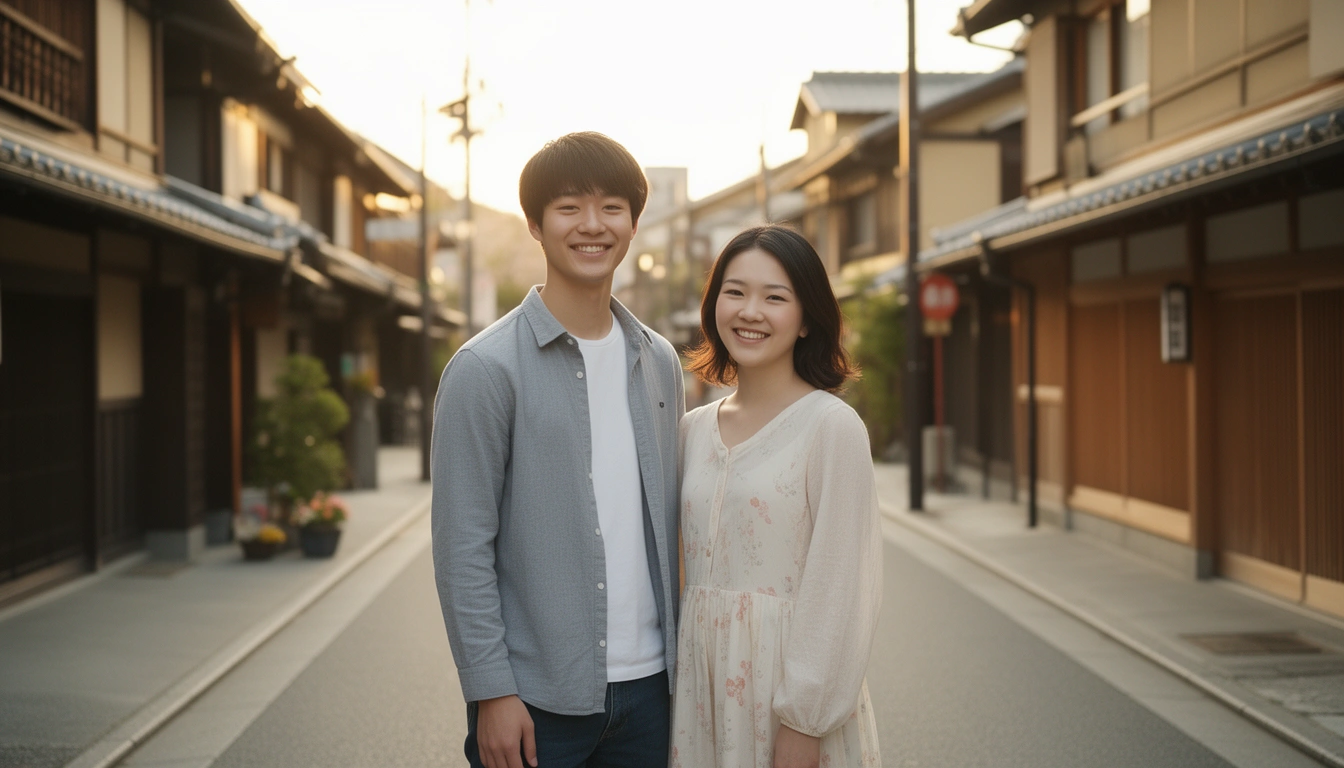
Japanese Last Names Starting With A
Japanese last names starting with A are among the most common surnames in the country, with several ranking in Japan’s top 100 most-used family names. These surnames often describe geography, nature, or ancestral occupations.
Japanese family names precede given names in Japan, so Abe Takeshi would be written with Abe first. Understanding surname origins gives insight into regional history: surnames tied to mountains, fields, and rivers reflect how Japan’s feudal clans organized themselves by land. Our rare and unique Japanese names article covers uncommon surname-as-first-name combinations worth exploring.
- Abe — 阿部 — Flatland Settlement (Ah-beh)
- Aoki — 青木 — Green Tree (Ah-oh-kee)
- Asai — 浅井 — Shallow Well (Ah-sah-ee)
- Ando — 安藤 — Safe Wisteria (Ahn-doh)
- Aoyama — 青山 — Blue Mountain (Ah-oh-yah-mah)
- Arima — 有馬 — Place of Horses (Ah-ree-mah)
- Asano — 浅野 — Shallow Field (Ah-sah-noh)
- Amano — 天野 — Heavenly Field (Ah-mah-noh)
- Azuma — 東 — The East (Ah-zoo-mah)
- Arai — 新井 — New Well (Ah-rah-ee)
- Akiyama — 秋山 — Autumn Mountain (Ah-kee-yah-mah)
- Akimoto — 秋元 — Autumn Origin (Ah-kee-moh-toh)
- Akutsu — 阿久津 — Ancient Port (Ah-koo-tsoo)
- Asakura — 朝倉 — Morning Storehouse (Ah-sah-koo-rah)
- Asahara — 朝原 — Morning Plain (Ah-sah-hah-rah)
- Amemiya — 雨宮 — Rain Shrine (Ah-meh-mee-yah)
- Araki — 荒木 — Wild Tree (Ah-rah-kee)
- Arakawa — 荒川 — Wild River (Ah-rah-kah-wah)
- Arita — 有田 — Rice Field of Plenty (Ah-ree-tah)
- Ariake — 有明 — Clear Presence (Ah-ree-ah-keh)
- Asada — 浅田 — Shallow Rice Field (Ah-sah-dah)
- Asagiri — 朝霧 — Morning Mist (Ah-sah-gee-ree)
- Asahina — 朝比奈 — Morning River Bank (Ah-sah-hee-nah)
- Asaka — 朝霞 — Morning Mist (Ah-sah-kah)
- Asami — 浅見 — Shallow View (Ah-sah-mee)
- Atobe — 跡部 — Footprint Settlement (Ah-toh-beh)
- Ayase — 綾瀬 — Design Stream (Ah-yah-seh)
- Ayukawa — 鮎川 — Sweetfish River (Ah-yoo-kah-wah)
- Azai — 浅井 — Shallow Well (Ah-zah-ee)
- Azumaya — 東屋 — Eastern House (Ah-zoo-mah-yah)
- Akatsuka — 赤塚 — Red Mound (Ah-kah-tsoo-kah)
- Akatsuki — 暁 — Dawn (Ah-kah-tsoo-kee)
- Akamatsu — 赤松 — Red Pine (Ah-kah-mah-tsoo)
- Akahoshi — 赤星 — Red Star (Ah-kah-hoh-shee)
- Akahane — 赤羽 — Red Feather (Ah-kah-hah-neh)
- Akamine — 赤嶺 — Red Peak (Ah-kah-mee-neh)
- Akao — 赤尾 — Red Tail (Ah-kah-oh)
- Akazawa — 赤沢 — Red Swamp (Ah-kah-zah-wah)
- Akagi — 赤城 — Red Castle (Ah-kah-gee)
- Akagawa — 赤川 — Red River (Ah-kah-gah-wah)
- Akahata — 赤旗 — Red Flag (Ah-kah-hah-tah)
- Akahira — 赤平 — Red Plain (Ah-kah-hee-rah)
- Akashima — 赤島 — Red Island (Ah-kah-shee-mah)
- Akatani — 赤谷 — Red Valley (Ah-kah-tah-nee)
- Akaze — 赤瀬 — Red Stream (Ah-kah-zeh)
- Akeda — 明田 — Bright Field (Ah-keh-dah)
- Akegawa — 明川 — Bright River (Ah-keh-gah-wah)
- Akehata — 明畑 — Bright Farm (Ah-keh-hah-tah)
- Akehori — 明堀 — Bright Moat (Ah-keh-hoh-ree)
- Akejiri — 明尻 — Bright Tail (Ah-keh-jee-ree)
- Akema — 明間 — Bright Space (Ah-keh-mah)
- Akemachi — 明町 — Bright Town (Ah-keh-mah-chee)
- Akenishi — 明西 — Bright West (Ah-keh-nee-shee)
- Akesako — 明迫 — Bright Narrows (Ah-keh-sah-koh)
- Akesawa — 明沢 — Bright Swamp (Ah-keh-sah-wah)
- Akeshima — 明島 — Bright Island (Ah-keh-shee-mah)
- Akeshiro — 明代 — Bright Era (Ah-keh-shee-roh)
- Aketa — 明田 — Bright Rice Field (Ah-keh-tah)
- Aketani — 明谷 — Bright Valley (Ah-keh-tah-nee)
- Aketomi — 明富 — Bright Wealth (Ah-keh-toh-mee)
- Akeyama — 明山 — Bright Mountain (Ah-keh-yah-mah)
- Amemori — 雨森 — Rain Forest (Ah-meh-moh-ree)
- Amenomori — 雨の森 — Forest in Rain (Ah-meh-noh-moh-ree)
- Amezawa — 雨沢 — Rain Swamp (Ah-meh-zah-wah)
- Ameshima — 雨島 — Rain Island (Ah-meh-shee-mah)
- Ameyama — 雨山 — Rain Mountain (Ah-meh-yah-mah)
- Amegawa — 雨川 — Rain River (Ah-meh-gah-wah)
- Amedani — 雨谷 — Rain Valley (Ah-meh-dah-nee)
- Amehata — 雨畑 — Rain Farmland (Ah-meh-hah-tah)
- Ameike — 雨池 — Rain Pond (Ah-meh-ee-keh)
- Amekawa — 雨川 — Rainfall River (Ah-meh-kah-wah)
- Amekubo — 雨久保 — Rain Hollow (Ah-meh-koo-boh)
- Amemura — 雨村 — Rain Village (Ah-meh-moo-rah)
- Amenaka — 雨中 — In the Rain (Ah-meh-nah-kah)
- Amenishi — 雨西 — Western Rain (Ah-meh-nee-shee)
- Ameno — 雨野 — Rain Field (Ah-meh-noh)
- Amenuma — 雨沼 — Rain Marsh (Ah-meh-noo-mah)
- Ameoka — 雨丘 — Rain Hill (Ah-meh-oh-kah)
- Amesato — 雨里 — Rain Village (Ah-meh-sah-toh)
- Amesei — 雨瀬 — Rain Stream (Ah-meh-say)
- Ameshiro — 雨城 — Rain Castle (Ah-meh-shee-roh)
- Ametani — 雨谷 — Rain Gorge (Ah-meh-tah-nee)
- Ametomi — 雨富 — Rain Wealth (Ah-meh-toh-mee)
- Ametsuchi — 雨土 — Rain and Earth (Ah-meh-tsoo-chee)
- Ameyuki — 雨雪 — Rain and Snow (Ah-meh-yoo-kee)
- Amezuka — 雨塚 — Rain Mound (Ah-meh-zoo-kah)
- Anbo — 安保 — Safe Protection (Ahn-boh)
- Ando — 安堂 — Safe Hall (Ahn-doh)
- Anfuku — 安福 — Safe Fortune (Ahn-foo-koo)
- Ango — 安護 — Safe Guard (Ahn-goh)
- Angu — 安宮 — Safe Shrine (Ahn-goo)
- Anime — 安峰 — Safe Peak (Ahn-ee-meh)
- Aniya — 安屋 — Safe House (Ahn-ee-yah)
- Anjiro — 安次郎 — Safe Second Son (Ahn-jee-roh)
- Anka — 安家 — Safe Home (Ahn-kah)
- Ankawa — 安川 — Safe River (Ahn-kah-wah)
- Ankokuji — 安国寺 — Temple of Safe Nation (Ahn-koh-koo-jee)
- Anma — 安間 — Safe Space (Ahn-mah)
- Annaka — 安中 — In Safety (Ahn-nah-kah)
- Anno — 安野 — Safe Field (Ahn-noh)
- Anoura — 安浦 — Safe Inlet (Ahn-oh-oo-rah)
- Anzai — 安西 — Safe West (Ahn-zah-ee)
Japanese surnames starting with A reveal deep roots in topography and clan history. Names like Arakawa (wild river), Asakura (morning storehouse), and Akiyama (autumn mountain) reflect the feudal land-based identity system that shaped Japan’s family naming tradition for over a thousand years.
Nature-Inspired Japanese Names Starting With A
Nature-inspired Japanese names starting with A draw from Japan’s most iconic natural imagery: cherry blossoms, mountains, rivers, morning skies, and seasonal change. These names are especially valued in Japanese culture because they anchor a person’s identity to the living world around them.
Japan’s naming tradition has always been inseparable from nature. Seasonal references like Aki (autumn) and Asahi (morning sun) signal not just beauty but timing and transformation. Many of the names below also connect to themes in Japanese names that mean water and Japanese names that mean wind, showing how layered these nature connections can become.
- Asahi — 朝日 — Morning Sun (Ah-sah-hee)
- Aoba — 青葉 — Green Leaves (Ah-oh-bah)
- Aomi — 蒼海 — Blue Sea (Ah-oh-mee)
- Aohana — 蒼花 — Blue Blossom (Ah-oh-hah-nah)
- Aokaze — 青風 — Blue Wind (Ah-oh-kah-zeh)
- Aosora — 蒼空 — Blue Sky (Ah-oh-soh-rah)
- Aoyuki — 蒼雪 — Blue Snow (Ah-oh-yoo-kee)
- Aogawa — 青川 — Blue River (Ah-oh-gah-wah)
- Aomori — 青森 — Blue Forest (Ah-oh-moh-ree)
- Aonami — 青波 — Blue Wave (Ah-oh-nah-mee)
- Aotaka — 蒼鷹 — Blue Hawk (Ah-oh-tah-kah)
- Aotsuru — 蒼鶴 — Blue Crane (Ah-oh-tsoo-roo)
- Aoume — 青梅 — Green Plum (Ah-oh-oo-meh)
- Akizuki — 秋月 — Autumn Moon (Ah-kee-zoo-kee)
- Akikaze — 秋風 — Autumn Breeze (Ah-kee-kah-zeh)
- Akiho — 秋穂 — Autumn Grain (Ah-kee-hoh)
- Akinohana — 秋の花 — Autumn Flower (Ah-kee-noh-hah-nah)
- Akiha — 秋葉 — Autumn Leaf (Ah-kee-hah)
- Akiumi — 秋海 — Autumn Sea (Ah-kee-oo-mee)
- Akisora — 秋空 — Autumn Sky (Ah-kee-soh-rah)
- Asakiri — 朝霧 — Morning Mist (Ah-sah-kee-ree)
- Asanagi — 朝凪 — Morning Calm (Ah-sah-nah-gee)
- Asashio — 朝潮 — Morning Tide (Ah-sah-shee-oh)
- Asatsuki — 朝月 — Morning Moon (Ah-sah-tsoo-kee)
- Asayuki — 朝雪 — Morning Snow (Ah-sah-yoo-kee)
- Asahara — 朝原 — Morning Plain (Ah-sah-hah-rah)
- Asaharu — 朝春 — Morning Spring (Ah-sah-hah-roo)
- Asakawa — 朝川 — Morning River (Ah-sah-kah-wah)
- Asakumo — 朝雲 — Morning Cloud (Ah-sah-koo-moh)
- Asahoshi — 朝星 — Morning Star (Ah-sah-hoh-shee)
- Amakawa — 天川 — River of Heaven (Ah-mah-kah-wah)
- Amatsuki — 天月 — Moon of Heaven (Ah-mah-tsoo-kee)
- Amayuki — 天雪 — Snow of Heaven (Ah-mah-yoo-kee)
- Amamizu — 天水 — Water of Heaven (Ah-mah-mee-zoo)
- Amanagi — 天凪 — Heaven’s Calm (Ah-mah-nah-gee)
- Amaoto — 雨音 — Sound of Rain (Ah-mah-oh-toh)
- Amafuji — 天富士 — Heavenly Fuji (Ah-mah-foo-jee)
- Amane — 天音 — Heavenly Sound (Ah-mah-neh)
- Amatsu — 天津 — Heaven’s Harbor (Ah-mah-tsoo)
- Amasora — 天空 — Heaven’s Sky (Ah-mah-soh-rah)
- Azusa — 梓 — Cherry Birch (Ah-zoo-sah)
- Anzu — 杏 — Apricot (Ahn-zoo)
- Aoba — 青葉 — Green Leaf (Ah-oh-bah)
- Arashi — 嵐 — Storm (Ah-rah-shee)
- Ayame — 菖蒲 — Iris Flower (Ah-yah-meh)
- Asunaro — 翌檜 — Tomorrow’s Cypress (Ah-soo-nah-roh)
- Akane — 茜 — Madder, Deep Red (Ah-kah-neh)
- Akagi — 赤城 — Red Castle Peak (Ah-kah-gee)
- Arare — 霰 — Hailstones (Ah-rah-reh)
- Aruhi — ある日 — One Day (Ah-roo-hee)
- Asagi — 浅葱 — Pale Blue-Green (Ah-sah-gee)
- Asagao — 朝顔 — Morning Glory Flower (Ah-sah-gah-oh)
- Asagiri — 朝霧 — Morning Fog (Ah-sah-gee-ree)
- Asashimo — 朝霜 — Morning Frost (Ah-sah-shee-moh)
- Asatsuyu — 朝露 — Morning Dew (Ah-sah-tsoo-yoo)
- Atarashii — 新しい — Something New (Ah-tah-rah-shee)
- Ayano — 彩乃 — Of Nature’s Colors (Ah-yah-noh)
- Ayanami — 彩波 — Colorful Wave (Ah-yah-nah-mee)
- Ayatori — 彩鳥 — Colorful Bird (Ah-yah-toh-ree)
- Ayu — 鮎 — Sweetfish (Ah-yoo)
- Ayugawa — 鮎川 — Sweetfish River (Ah-yoo-gah-wah)
- Ayuha — 鮎葉 — Sweetfish Leaf (Ah-yoo-hah)
- Azalea — 躑躅 — Azalea Flower (Ah-zah-lee-ah)
- Azukari — 預かり — Held in Trust, Nature’s Keeper (Ah-zoo-kah-ree)
- Azukibayashi — 小豆林 — Adzuki Bean Grove (Ah-zoo-kee-bah-yah-shee)
- Azukawa — 安図川 — Peaceful Map River (Ah-zoo-kah-wah)
Nature-inspired A-names in Japanese represent the country’s oldest naming tradition. Long before modern naming conventions, Japanese clans named children after the seasons, rivers, and mountains they called home. This practice continues today, with parents choosing names like Asahi (morning sun) and Akizuki (autumn moon) to embed natural beauty into a child’s identity from birth.
Japanese Names Starting With A From Anime and Manga
Anime and manga have made certain Japanese A-names globally recognizable, spreading names like Akira, Asuka, and Aoi to naming charts far beyond Japan. These names carry the cultural weight of their fictional bearers while remaining fully authentic Japanese names.
The global anime boom since the 1990s turned several A-initial names into international household names. Akira became synonymous with the 1988 film. Asuka from Neon Genesis Evangelion gave the name new resonance. Today, fans of series like Demon Slayer, My Hero Academia, and Attack on Titan encounter A-names regularly. These same names appear in our Japanese names that mean star collection, many of which share the celestial quality beloved in anime storytelling.
- Akira — 明 — Bright, Clear (Ah-kee-rah) — Akira (1988 film)
- Asuka — 明日香 — Fragrance of Tomorrow (Ah-soo-kah) — Neon Genesis Evangelion
- Aoi — 葵 — Hollyhock (Ah-oh-ee) — My Hero Academia, multiple series
- Ayato — 綾翔 — Graceful Flight (Ah-yah-toh) — Tokyo Ghoul
- Armin — アルミン — Variant of Armin (Ah-roo-meen) — Attack on Titan
- Akame — 赤目 — Red Eyes (Ah-kah-meh) — Akame ga Kill
- Alucard — アルカード — Noble Card (Ah-roo-kah-doh) — Hellsing
- Asahi — 朝日 — Morning Sun (Ah-sah-hee) — Haikyuu
- Asta — アスタ — Star (Ah-soo-tah) — Black Clover
- Akeno — 明乃 — Of the Dawn (Ah-keh-noh) — High School DxD
- Alucard — アルカード — Blood Variant (Ah-roo-kah-doh) — Castlevania
- Ayanami — 綾波 — Patterned Wave (Ah-yah-nah-mee) — Neon Genesis Evangelion
- Aoba — 蒼葉 — Blue Leaf (Ah-oh-bah) — DRAMAtical Murder
- Arisa — 有紗 — Plentiful Silk (Ah-ree-sah) — Card Captor Sakura
- Aho — 阿呆 — Fool (Ah-hoh) — comedic manga
- Araragi — 阿良々木 — Sacred Tree Cluster (Ah-rah-rah-gee) — Monogatari Series
- Akatsuki — 暁 — Dawn (Ah-kah-tsoo-kee) — Naruto (organization name)
- Anya — アーニャ — Graceful (Ahn-yah) — Spy x Family
- Annie — アニー — Graceful (Ah-nee) — Attack on Titan
- Aqua — アクア — Water (Ah-koo-ah) — KonoSuba, Oshi no Ko
- Aragi — 荒木 — Wild Tree (Ah-rah-gee) — Jojo’s Bizarre Adventure (Araki)
- Arisu — アリス — Alice (Ah-ree-soo) — Alice in Borderland
- Asui — 蛙吹 — Frog Breath (Ah-soo-ee) — My Hero Academia
- Aizawa — 相沢 — Mutual Swamp (Ah-ee-zah-wah) — My Hero Academia
- Ayame — 菖蒲 — Iris Flower (Ah-yah-meh) — Fruits Basket
- Akari — 明莉 — Bright Jasmine (Ah-kah-ree) — Yuru Yuri, Aria
- Aichi — 愛知 — Loving Wisdom (Ah-ee-chee) — Cardfight Vanguard
- Aichi — 相市 — Mutual City (Ah-ee-chee) — alternate reading
- Aida — 藍田 — Indigo Field (Ah-ee-dah) — Gundam
- Aigis — アイギス — Shield (Ah-ee-gees) — Persona 3
- Aika — 藍花 — Indigo Flower (Ah-ee-kah) — Aria the Animation
- Aika — 愛佳 — Loving Excellence (Ah-ee-kah) — alternate characters
- Aichi — 哀地 — Sorrowful Land (Ah-ee-chee) — darker anime usage
- Aikawa — 愛川 — Love River (Ah-ee-kah-wah) — various series
- Aimu — 愛夢 — Loving Dream (Ah-ee-moo) — original character type
- Aino — 愛野 — Field of Love (Ah-ee-noh) — Sailor Moon (Minako Aino)
- Ainz — アインズ — Overlord name (Ah-een-zoo) — Overlord
- Airi — 愛莉 — Lovely Jasmine (Ah-ee-ree) — Ro-Kyu-Bu
- Aisa — 愛沙 — Love Sand (Ah-ee-sah) — To Aru Majutsu no Index
- Aisaka — 逢坂 — Meeting Slope (Ah-ee-sah-kah) — Toradora (Taiga Aisaka)
- Akane — 茜 — Deep Red (Ah-kah-neh) — Ranma 1/2, Psycho-Pass
- Akemi — 明美 — Bright Beauty (Ah-keh-mee) — Madoka Magica (Homura Akemi)
- Akko — アッコ — Diminutive of Akiko (Ah-kkoh) — Little Witch Academia
- Aki — 秋 — Autumn (Ah-kee) — various slice-of-life series
- Akibahara — 秋葉原 — Autumn Leaf Plain (Ah-kee-bah-hah-rah) — real place, many anime settings
- Akihiko — 明彦 — Bright Prince (Ah-kee-hee-koh) — Persona 3
- Akihito — 明仁 — Bright Benevolence (Ah-kee-hee-toh) — real emperor, referenced in anime
- Akin — 亜金 — Secondary Gold (Ah-keen) — fantasy anime usage
- Akira — 亮 — Radiant (Ah-kee-rah) — alternate kanji used in sports anime
- Akira — 晃 — Shining (Ah-kee-rah) — yet another popular kanji variant
- Akise — 秋瀬 — Autumn Stream (Ah-kee-seh) — Future Diary
- Akiyuki — 明雪 — Bright Snow (Ah-kee-yoo-kee) — Xam’d: Lost Memories
- Aku — 悪 — Evil (Ah-koo) — villain character naming convention
- Akutagawa — 芥川 — Mustard River (Ah-koo-tah-gah-wah) — Bungou Stray Dogs
- Alucard — アルカード — reversed spelling (Ah-roo-kah-doh) — Hellsing
- Amagi — 天城 — Heaven’s Castle (Ah-mah-gee) — Persona 4
- Amano — 天野 — Heavenly Field (Ah-mah-noh) — Angel Beats
- Amaterasu — 天照 — Heaven Shining (Ah-mah-teh-rah-soo) — Okami, mythological
- Amatsuki — 天月 — Heavenly Moon (Ah-mah-tsoo-kee) — Amatsuki series
- Ami — 亜美 — Second Beauty (Ah-mee) — Sailor Moon (Ami Mizuno)
- Anemone — アネモネ — Wind Flower (Ah-neh-moh-neh) — Eureka Seven
- Anri — 杏里 — Apricot Village (Ahn-ree) — Durarara
- Ansatsu — 暗殺 — Assassination (Ahn-sah-tsoo) — Assassination Classroom (context)
- Ao — 蒼 — Blue (Ah-oh) — Ao no Exorcist (Blue Exorcist)
- Aoba — 蒼葉 — Blue Leaf (Ah-oh-bah) — DRAMAtical Murder
- Aoyagi — 蒼柳 — Blue Willow (Ah-oh-yah-gee) — Loveless
- Arago — アラゴ — variant (Ah-rah-goh) — ARAGO manga
Anime and manga have done more to spread Japanese A-names globally than any other cultural force. Names like Akira, Asuka, and Ayanami became recognizable to millions of non-Japanese fans through storytelling, creating a generation of parents worldwide who feel an authentic connection to these names through the stories that shaped them.
Rare Japanese Names Starting With A
Rare Japanese names starting with A go beyond the popular lists, offering kanji combinations and phonetic structures that most naming guides miss entirely. These names appear in historical records, regional dialects, and literary traditions rather than modern naming charts.
Finding a rare name in Japan is both an art and a cultural statement. Choosing an uncommon name signals that parents have done deep research, often drawing from classical poetry, Buddhist scripture, or regional tradition. These names pair well with the themes explored in our rare and unique Japanese names collection and our guide to Japanese names that mean hope.
- Abikoumaru — 我孫子丸 — Child of Sacred Village (Ah-bee-koh-mah-roo)
- Abukuma — 阿武隈 — Wild Bear River (Ah-boo-koo-mah)
- Achihiko — 阿千彦 — Thousand Princes (Ah-chee-hee-koh)
- Agata — 県 — District, Region (Ah-gah-tah)
- Aguri — 亜久里 — Second Long Village (Ah-goo-ree)
- Ahiru — 家鴨 — Domestic Duck (Ah-hee-roo)
- Aichi — 愛路 — Path of Love (Ah-ee-chee)
- Aikage — 藍影 — Indigo Shadow (Ah-ee-kah-geh)
- Aikana — 愛奏 — Love’s Melody (Ah-ee-kah-nah)
- Aikawa — 藍川 — Indigo River (Ah-ee-kah-wah)
- Aimori — 藍森 — Indigo Forest (Ah-ee-moh-ree)
- Ainishi — 愛西 — Love’s West (Ah-ee-nee-shee)
- Aio — 藍緒 — Indigo Thread (Ah-ee-oh)
- Airu — 藍留 — Held in Indigo (Ah-ee-roo)
- Aisei — 藍星 — Indigo Star (Ah-ee-say)
- Aishi — 愛詩 — Love Poem (Ah-ee-shee)
- Aisora — 藍空 — Indigo Sky (Ah-ee-soh-rah)
- Aitama — 愛珠 — Jewel of Love (Ah-ee-tah-mah)
- Aitsuki — 藍月 — Indigo Moon (Ah-ee-tsoo-kee)
- Aiya — 藍夜 — Indigo Night (Ah-ee-yah)
- Aizo — 愛象 — Love’s Image (Ah-ee-zoh)
- Akaboshi — 赤星 — Red Star (Ah-kah-boh-shee)
- Akadori — 赤鳥 — Red Bird (Ah-kah-doh-ree)
- Akafuji — 赤富士 — Red Fuji (Ah-kah-foo-jee)
- Akahiru — 赤昼 — Red Noon (Ah-kah-hee-roo)
- Akaishi — 赤石 — Red Stone (Ah-kah-ee-shee)
- Akajima — 赤島 — Red Island (Ah-kah-jee-mah)
- Akamichi — 赤道 — Red Path (Ah-kah-mee-chee)
- Akamori — 赤森 — Red Forest (Ah-kah-moh-ree)
- Akanagi — 赤凪 — Red Calm (Ah-kah-nah-gee)
- Akanami — 赤波 — Red Wave (Ah-kah-nah-mee)
- Akanome — 赤の目 — Red Eyes (Ah-kah-noh-meh)
- Akaori — 赤織 — Red Weave (Ah-kah-oh-ree)
- Akasakura — 赤桜 — Red Cherry Blossom (Ah-kah-sah-koo-rah)
- Akatane — 赤胤 — Red Bloodline (Ah-kah-tah-neh)
- Akato — 赤都 — Red Capital (Ah-kah-toh)
- Akatoki — 暁時 — Hour of Dawn (Ah-kah-toh-kee)
- Akatora — 赤虎 — Red Tiger (Ah-kah-toh-rah)
- Akatou — 赤頭 — Red Head (Ah-kah-toh-oo)
- Akaume — 赤梅 — Red Plum (Ah-kah-oo-meh)
- Akayuki — 赤雪 — Red Snow (Ah-kah-yoo-kee)
- Akazora — 赤空 — Red Sky (Ah-kah-zoh-rah)
- Akazuki — 赤月 — Red Moon (Ah-kah-zoo-kee)
- Aketora — 朱虎 — Vermilion Tiger (Ah-keh-toh-rah)
- Aketsuki — 明月 — Bright Moon (Ah-keh-tsoo-kee)
- Akewa — 明和 — Bright Harmony (Ah-keh-wah)
- Akeyori — 明頼 — Bright Reliance (Ah-keh-yoh-ree)
- Akeyuki — 明雪 — Bright Snow (Ah-keh-yoo-kee)
- Akeyama — 明山 — Bright Mountain (Ah-keh-yah-mah)
- Akebi — 木通 — Akebi Fruit Vine (Ah-keh-bee)
Rare Japanese A-names often carry the most powerful imagery precisely because they have not been diluted by overuse. A name like Akazuki (red moon) or Akatora (red tiger) carries vivid, mythological weight that common names simply cannot match. Parents choosing rare names in Japan today are often reaching for historical depth rather than novelty.
Old-Fashioned Japanese Names Starting With A
Old-fashioned Japanese names starting with A come from the Meiji, Taisho, and early Showa periods, carrying the formality and elegance of earlier eras. Many of these names are experiencing a revival in Japan today as younger parents rediscover classical beauty.
In Japan, names from the early 20th century often feel simultaneously antique and fresh because they have been out of regular use for generations. The classical naming tradition also shows up prominently in Japanese names that mean warrior and Japanese names that mean moon, where historical resonance runs deep.
- Asajirou — 朝次郎 — Morning Second Son (Ah-sah-jee-roh)
- Asajiro — 浅次郎 — Shallow Second Son (Ah-sah-jee-roh)
- Asahachi — 朝八 — Morning Eighth (Ah-sah-hah-chee)
- Asago — 朝吾 — Morning Self (Ah-sah-goh)
- Asagoro — 朝五郎 — Morning Fifth Son (Ah-sah-goh-roh)
- Asaichi — 朝市 — Morning Market (Ah-sah-ee-chee)
- Asajirou — 朝次郎 — Morning Second (Ah-sah-jee-roh)
- Asakichi — 朝吉 — Morning Fortune (Ah-sah-kee-chee)
- Asakurou — 朝九郎 — Morning Ninth Son (Ah-sah-koo-roh)
- Asamatsu — 朝松 — Morning Pine (Ah-sah-mah-tsoo)
- Asanao — 朝直 — Morning Uprightness (Ah-sah-nah-oh)
- Asanosuke — 朝之助 — Morning’s Helper (Ah-sah-noh-soo-keh)
- Asatarou — 朝太郎 — Morning First Son (Ah-sah-tah-roh)
- Asatoshi — 朝敏 — Morning Wisdom (Ah-sah-toh-shee)
- Asatoyo — 朝豊 — Morning Abundance (Ah-sah-toh-yoh)
- Asayori — 朝頼 — Morning Reliance (Ah-sah-yoh-ree)
- Atsumaro — 篤麻呂 — Devoted Classic (Ah-tsoo-mah-roh)
- Atsunobu — 篤信 — Devoted Trust (Ah-tsoo-noh-boo)
- Atsusada — 篤貞 — Devoted Chastity (Ah-tsoo-sah-dah)
- Atsusuke — 篤助 — Devoted Helper (Ah-tsoo-soo-keh)
- Atsutarou — 篤太郎 — Devoted First Son (Ah-tsoo-tah-roh)
- Atsutoshi — 篤俊 — Devoted Excellence (Ah-tsoo-toh-shee)
- Atsuyori — 篤頼 — Devoted Reliance (Ah-tsoo-yoh-ree)
- Atsuzo — 篤三 — Third Devoted (Ah-tsoo-zoh)
- Akitaro — 明太郎 — Bright First Son (Ah-kee-tah-roh)
- Akijirou — 明次郎 — Bright Second Son (Ah-kee-jee-roh)
- Akisaburo — 明三郎 — Bright Third Son (Ah-kee-sah-boo-roh)
- Akishiro — 明四郎 — Bright Fourth Son (Ah-kee-shee-roh)
- Akigoro — 明五郎 — Bright Fifth Son (Ah-kee-goh-roh)
- Akinojo — 明之丞 — Bright Lieutenant (Ah-kee-noh-joh)
- Akinosuke — 明之助 — Bright Helper (Ah-kee-noh-soo-keh)
- Akinoue — 明乃上 — Above the Brightness (Ah-kee-noh-oo-eh)
- Aritarou — 有太郎 — First Son of Plenty (Ah-ree-tah-roh)
- Arijirou — 有次郎 — Second Son of Plenty (Ah-ree-jee-roh)
- Arisaburo — 有三郎 — Third Son of Plenty (Ah-ree-sah-boo-roh)
- Arigoro — 有五郎 — Fifth Son of Plenty (Ah-ree-goh-roh)
- Arinosuke — 有之助 — Plentiful Helper (Ah-ree-noh-soo-keh)
- Amatarou — 天太郎 — Heaven’s First Son (Ah-mah-tah-roh)
- Amajirou — 天次郎 — Heaven’s Second Son (Ah-mah-jee-roh)
- Amasaburo — 天三郎 — Heaven’s Third Son (Ah-mah-sah-boo-roh)
- Amashiro — 天四郎 — Heaven’s Fourth Son (Ah-mah-shee-roh)
- Amagoro — 天五郎 — Heaven’s Fifth Son (Ah-mah-goh-roh)
- Amayoshi — 天吉 — Heaven’s Fortune (Ah-mah-yoh-shee)
- Amakichi — 天吉 — Heaven’s Good Luck (Ah-mah-kee-chee)
- Amanosuke — 天之助 — Heaven’s Helper (Ah-mah-noh-soo-keh)
Old-fashioned Japanese names carry the ordinal naming system that was once dominant across Japan, where sons were named First Son (tarou), Second Son (jirou), Third Son (saburo), and so forth. This system made names systematic, familial, and historically traceable. It is now largely extinct in everyday use, making these names genuinely rare finds for anyone seeking historical depth.
What Japanese Names Starting With A Say About the Child
Parents who choose Japanese names starting with A often select names tied to brightness, love, nature, or celestial imagery. The kanji system means every name carries an intentional meaning chosen by the parents at birth. A child named Asahi carries morning hope. A child named Aiko carries devotion and love. A child named Arata carries the promise of fresh beginnings.
- Names with 明 (bright) kanji signal clarity of mind and purpose, traits parents wish to cultivate.
- Names with 愛 (love) kanji signal warmth, emotional depth, and connection to others.
- Names with 天 (heaven) kanji signal spiritual aspiration and a connection to something greater.
- Names with 秋 (autumn) kanji signal elegance, harvest wisdom, and seasonal depth.
- Names with 青/蒼 (blue/green) kanji signal nature, calm, and a poetic sensibility.
How to Choose the Right Japanese A-Name
Choosing a Japanese name starting with A involves three layers of decision-making: the sound, the kanji, and the meaning. All three must align for the name to feel complete in Japanese culture.
- Start with the sound: Decide which phonetic version you prefer, Akira, Asahi, Ayaka, Aoi, and so on. Each has a different rhythm and energy.
- Choose the kanji: Many A-names can be written with multiple kanji combinations, each shifting the meaning. Akira can mean bright, radiant, or clear depending on the character chosen.
- Check the meaning pair: In Japan, the combination of given name and family name meanings matters. Avoid combinations where kanji meanings clash or create unintended readings.
- Consult a specialist: Many Japanese families consult naming specialists (命名師, meimei-shi) to ensure a new name has favorable stroke counts and balanced kanji energy.
Frequently Asked Questions
What are the most popular Japanese names starting with A?
The most popular include Akira (bright), Aoi (hollyhock/blue), Asahi (morning sun), Aiko (child of love), Ayaka (colorful flower), and Akari (bright jasmine). These consistently rank in Japan’s top baby name charts.
Can Japanese names starting with A be used for non-Japanese children?
Yes. Many Japanese A-names like Akira, Aoi, and Asahi work well internationally. Choosing a name with clear pronunciation and a meaningful kanji helps it translate across cultures without confusion.
What does the kanji in Japanese A-names mean?
Kanji in Japanese names carry specific meanings. Common ones in A-names include 明 (bright), 愛 (love), 秋 (autumn), 天 (heaven), 彩 (color), and 青/蒼 (blue/green). Each character can change a name’s meaning entirely.
Are Japanese A-names more common for boys or girls?
Both. Some like Akira and Aoi are used for all genders. Girl names like Aiko, Ayaka, and Akari are very common. Boy names like Atsushi, Akihiro, and Asahi are equally well-established in Japanese naming tradition.
How does kanji choice change the meaning of the same Japanese A-name?
Dramatically. Akira can mean bright (明), radiant (亮), or shining (晃) depending on the character. Asuka can mean fragrance of tomorrow (明日香) or flying bird (飛鳥). The sound is the same; the written meaning is entirely different.
Do Japanese names starting with A sound old-fashioned in Japan today?
Not typically. Names like Akira and Aoi feel modern. Classical forms like Asajirou or Atsumaro do sound old-fashioned, which is why some parents today are reviving them as distinctive vintage choices.
How has anime influenced the popularity of Japanese A-names globally?
Significantly. Akira (1988 film), Asuka from Neon Genesis Evangelion, and Aoi from multiple series made these names globally recognized. Anime gave millions of international fans an authentic connection to Japanese A-names.
What is the difference between Japanese first names and last names starting with A?
In Japan, family names come first. Last names starting with A like Abe, Aoki, and Ando often describe geography or nature. First names starting with A focus on personal qualities like brightness, love, and beauty.
Are there regional differences in Japanese A-names across Japan?
Yes. Okinawa has distinct naming traditions with names not found in Honshu. Kyoto families historically preferred longer, classical forms. Tokyo parents today favor shorter two-kanji names. Hokkaido also shows regional naming patterns tied to Ainu heritage.
What naming traditions do Japanese families follow when choosing A-names?
Many consult naming specialists called meimei-shi who evaluate kanji stroke counts, meaning balance, and how a given name pairs with the family name. Some families maintain generational patterns, reusing a kanji from the parents’ or grandparents’ name.